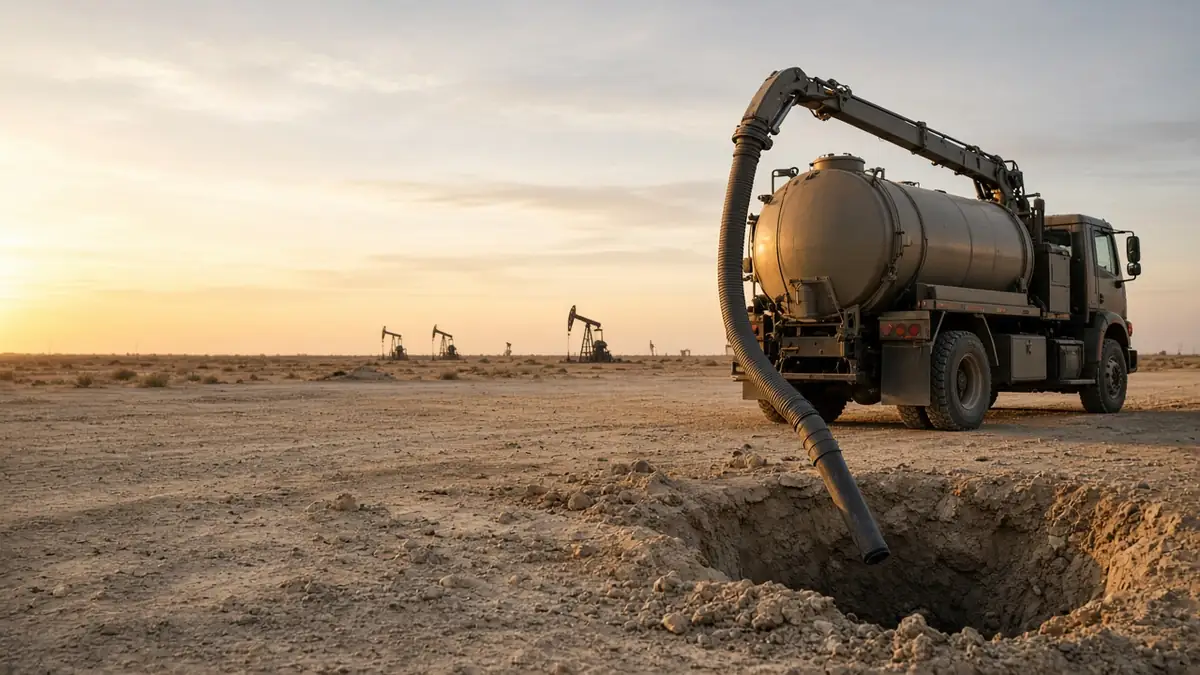
Hydro-excavation services around Midland
Hydrovac work ranges from a few potholes before a bore to multi-day daylighting projects. Here's more detail on common job types and what a contractor needs to quote quickly.
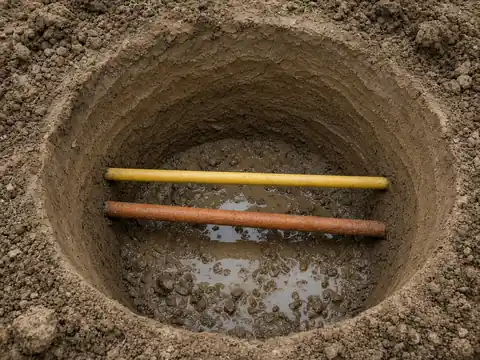
Potholing & locating
Expose lines to confirm depth and position before you dig or bore.
Start this request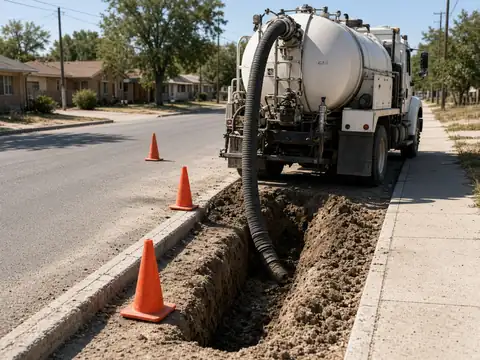
Slot trenching
Narrow, clean trenches for new lines near existing utilities.
Start this request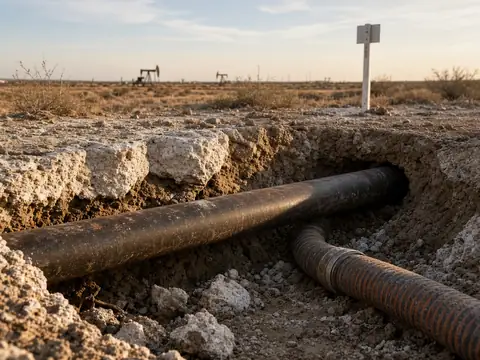
Pipeline & facility work
Daylighting and crossings on leases, pads and pipeline right-of-way.
Start this requestPotholing before boring and trenching
Potholing exposes each existing line where new work will cross it, so the boring or trenching crew knows the exact depth and position. On busy corridors there may be several lines at each crossing. A hydrovac crew can usually expose multiple holes per day, depending on depth and soil.
Share the number of crossings, expected depths, and any operator requirements for clearance, so the contractor can estimate hours.
Daylighting and integrity digs
Daylighting exposes a longer length of pipe for inspection, coating repair, anomaly investigation or replacement. These digs often follow integrity management findings and need to be done carefully to avoid damaging coatings.
Slot trenching
Hydrovac slot trenches are narrow and precise, which limits surface disruption and restoration. They're useful for conduit, cathodic protection cables and short line installations near existing facilities.
Facility and pad construction
Expansions at well pads, compressor stations and tank batteries often involve digging near live lines and equipment. Hydrovac lets crews excavate for foundations, anchors and new piping with lower strike risk.
Municipal and commercial work
Outside the oilfield, hydrovac is used for utility potholing on road projects, sign and pole holes, and work around fiber and power in growing parts of Midland and Odessa.
Free matching service by Voraus LLC. We connect you with independent local hydro-excavation contractors. We are not a hydro-excavation contractor and do not perform the work.
Common hydrovac requests
Potholing and line verification
Exposing pipelines and utilities at crossings and tie-in points to confirm exact depth and location before boring or trenching.
Daylighting
Exposing longer sections of pipe or cable for inspection, repair, coating work or integrity digs.
Slot trenching
Narrow, precise trenches for new lines, conduit or cathodic protection, with minimal surface disturbance.
Pad and facility work
Excavation around existing lines during pad construction, compressor station or facility expansions.
Pole and pile holes
Clean holes for poles, piles, signs and fence posts near buried utilities.
Valve, riser and vault cleanout
Removing soil and debris from around valves, risers, cellars and vaults.
Tank and sump cleaning
Vacuuming sludge or debris from tanks, sumps and catch basins, depending on the contractor's permits.
Emergency and leak response
Rapid excavation to expose a damaged or leaking line, coordinated with the operator.
What affects hydrovac pricing
Hourly truck and crew rate
Most hydrovac work is billed by the hour for the truck and crew, often with a minimum. Some contractors offer day rates or per-hole pricing for repeat work.
Soil and caliche
Hard caliche layers common in the Permian Basin slow excavation compared with sandy soils. Harder ground means more hours per hole.
Depth and volume
Deeper holes and larger excavations fill the debris tank faster and take longer. Trips to dump add time.
Travel and location
Remote leases far from Midland or Odessa add drive time. Many contractors bill portal-to-portal.
Disposal
Excavated slurry has to go to an approved disposal site. Disposal fees and haul time, especially for contaminated material, add to the cost.
Site requirements
Safety orientations, standby time, permits, water supply and after-hours work can all affect the final bill.
Ready to get your hydro-excavation project moving?
Even a brief request helps: "Pothole 6 crossings on a gathering line north of Midland, Martin County, next week, operator requires hydrovac within 24 inches."